
Create a Freelance Invoice (Free Template)
13 January 2026 • Raddy
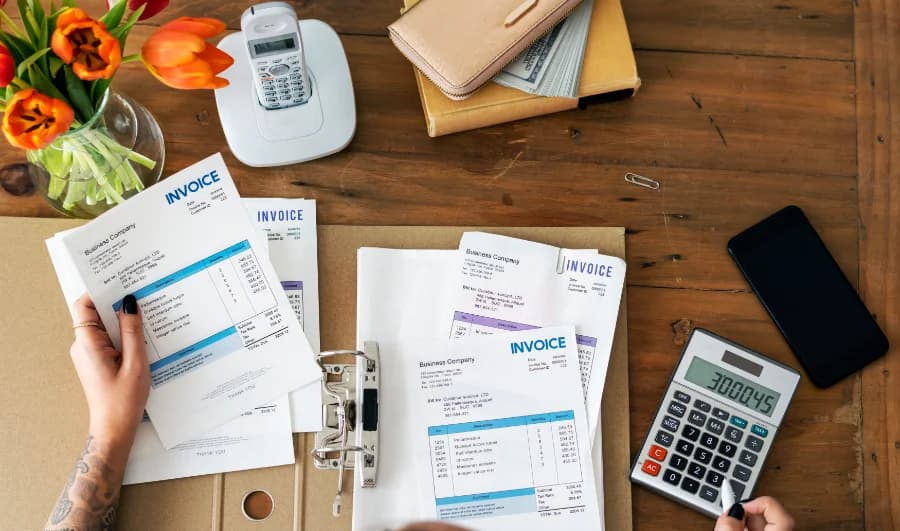
The Architect's Guide to Freelance Invoicing
A freelance invoice isn't just a request for money. It is a legal document, a tax record, and—when done right—your most powerful tool for getting paid on time.
In 2026, sloppy invoicing is the fastest way to ruin your cash flow. If your invoice is confusing, missing details, or legally non-compliant, it goes to the bottom of the pile.
This guide cuts through the noise. We cover the strict UK legal requirements, the strategic billing practices that speed up payment, and exactly how to charge interest when clients drag their feet.
UK Legal Requirements: Do Not Mess This Up
HMRC is not forgiving. If your invoice fails to meet specific standards, your client can legally delay payment, and you could face issues during a tax audit.
What Every Invoice Must Include
Whether you are a sole trader or a limited company, your invoice must contain these six elements:
| Element | Why It Matters |
|---|---|
| Unique Invoice Number | Sequential and gapless (e.g., 2026-001). This creates a clear audit trail. |
| Your Business Details | Your name, address, and contact info. |
| Client Details | Who owes the money? Include their business name and address. |
| Service Description | A clear breakdown of what you did. "Consulting" is too vague. |
| Dates | Both the Supply Date (when work was done) and Invoice Date. |
| Total Amount | The final figure due, including currency (e.g., £500.00). |
Sole Trader vs. Limited Company
- Sole Traders: You must include your name and any business name you trade under.
- Limited Companies: You must list the full company name (as it appears on the incorporation certificate), registration number, and registered office address. If you list one director, you must list them all.
The VAT Trap
If your turnover exceeds £90,000 (the 2026 threshold), you must register for VAT. A valid VAT invoice requires:
- Your VAT registration number.
- The tax point (time of supply).
- The VAT rate and amount charged on each item.
Warning: If you mess this up, your corporate clients can't reclaim the VAT, which will annoy their finance department and delay your payment.
Strategic Billing: How to Get Paid Faster
Your invoice is a user interface. If it’s hard to understand, the user (your client) won't complete the action (paying you).
1. Itemise, Don't Generalize
"Web Development Services - £1,000" invites questions. "UI Design for Mobile Dashboard (10 hours @ £100/hr) - £1,000" invites payment.
Why this works: It reminds the client of the value you delivered, not just the cost. Tools like Time 'N Track automate this by converting your time logs directly into line items.
2. Set Terms Before You Start
Don't let the client decide when you get paid.
- Default: 30 days.
- Smart: 14 days (or "Due on Receipt" for smaller amounts).
- Crucial: Ask for a Purchase Order (PO) Number upfront. Many big companies literally cannot pay you without one.
How to Charge Late Fees (Yes, You Can)
Here is a secret: You have a statutory right to charge interest on late payments. The Late Payment of Commercial Debts (Interest) Act 1998 allows you to charge 8% plus the Bank of England base rate.
The Math
If the base rate is 5%, you charge 13% annual interest.
Formula: (Debt × 0.13 × Days Overdue) ÷ 365
The "Debt Recovery" Fee
On top of interest, you can charge a fixed penalty just for the hassle:
- Debt under £1,000: Charge £40.
- Debt under £10,000: Charge £70.
- Debt over £10,000: Charge £100.
You might not always enforce this, but stating it in your payment terms ("We reserve the right to charge statutory interest...") is a powerful motivator.
The Future: Making Tax Digital (MTD)
From April 2026, if you earn over £50,000 as a sole trader, Making Tax Digital is mandatory. You can no longer use a shoebox of receipts. You must keep digital records and submit quarterly updates to HMRC.
- The Bad News: More admin if you do it manually.
- The Good News: It forces you to know your numbers every 3 months, preventing end-of-year tax panic.
Automate It with Time 'N Track
The perfect invoice starts with perfect data. Time 'N Track connects your work directly to your billing.
- Track: Log hours in real-time.
- Review: See which projects are profitable.
- Bill: Generate a compliant, professional invoice in seconds.
If you aren't ready for a full system, grab our free time tracking spreadsheet to get started.
The Bottom Line
A professional invoice is the difference between "freelancer" and "business owner." Get the legal details right. Itemise your value. Enforce your payment terms.
In 2026, automation isn't a luxury—it's the standard. Start invoicing professionally with Time 'N Track today.

Written by
RaddyWeb developer, designer, and founder of TimeNTrack. With over 10 years of experience helping freelancers run better businesses, Raddy has worked with thousands of people through his Raddy Dev YouTube channel, his blog at raddy.dev, and ran a successful freelance business himself.